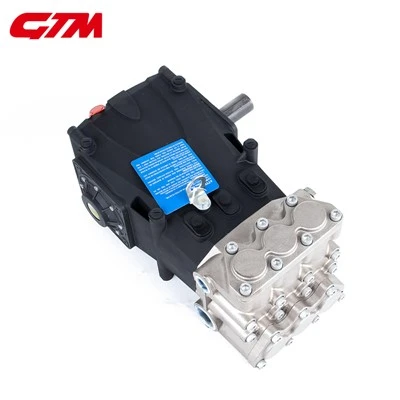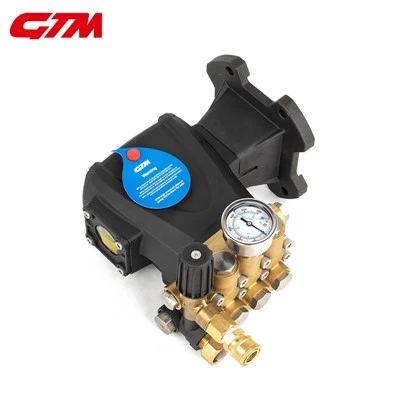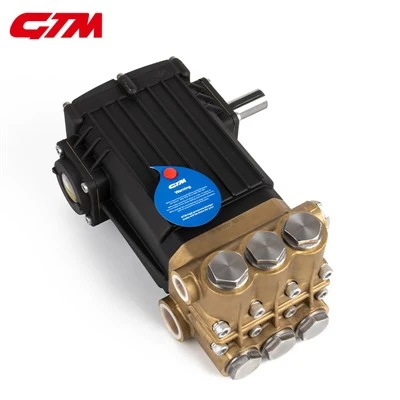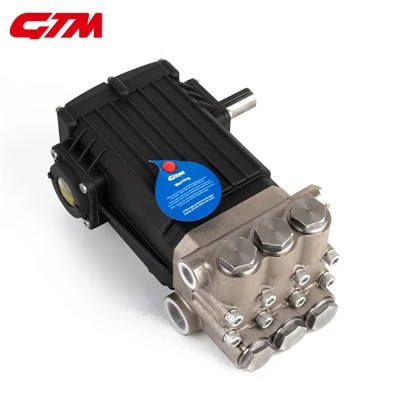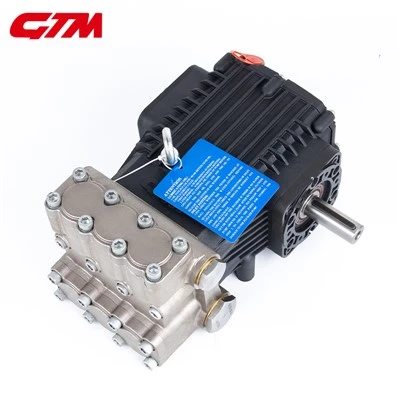

As a core component of pump equipment, the crankshaft pump head's performance directly affects the overall system's operating efficiency and stability.
First, impurities and particulate matter. The internal structure of the crankshaft pump head is precise, especially critical components such as the crankshaft and bearings, which require extremely high cleanliness. Once impurities or particulate matter enter, these tiny substances act like sandpaper, causing friction on the component surfaces, leading to accelerated wear and even serious malfunctions such as jamming and breakage. Especially when handling media containing solid particles, if not adequately filtered, impurities will rapidly corrode the pump head's interior, shortening its service life. Therefore, maintaining the cleanliness of the media and regularly cleaning the pump head's interior are crucial measures to extend the crankshaft pump head's lifespan.
Second, corrosive media. Crankshaft pump heads are commonly used to transport various chemical media, many of which are corrosive. These corrosive media can react chemically with the pump head materials, leading to a decline in material performance and even safety issues such as perforation and leakage. Corrosion is particularly prominent for metal pump heads. Therefore, when selecting a crankshaft pump head, it is essential to choose a pump head made of corrosion-resistant materials, such as stainless steel or ceramic, based on the properties of the pumped medium to minimize the impact of corrosion.
Third, high temperature and overheating. Crankshaft pump heads generate heat during operation. Poor heat dissipation or prolonged exposure to high temperatures can lead to increased internal temperatures, accelerating component aging and deformation, and even causing thermal cracking. Furthermore, high temperatures can affect the performance of lubricating oil, reducing lubrication effectiveness and further exacerbating wear. Therefore, ensuring the crankshaft pump head operates within a suitable temperature range and strengthening heat dissipation measures, such as adding heat sinks and using cooling water, are crucial to protecting the pump head from high-temperature damage.