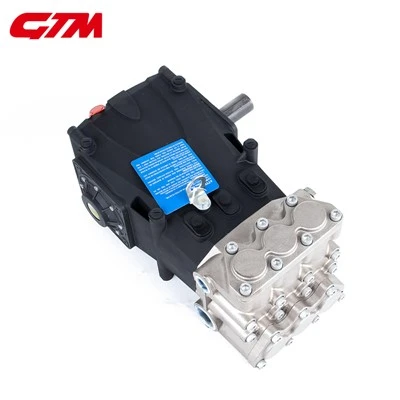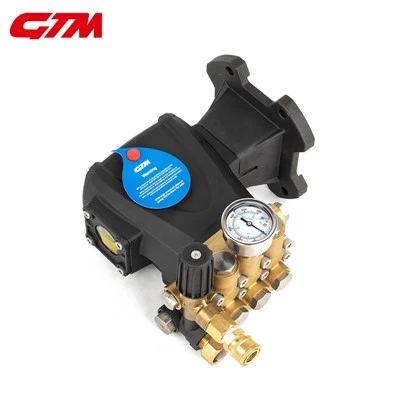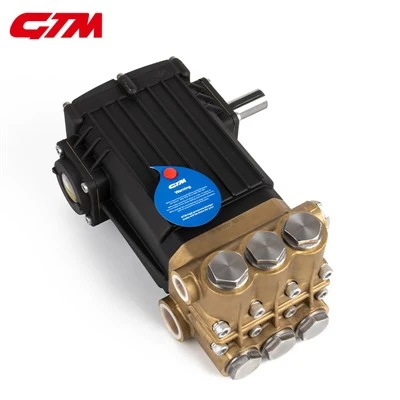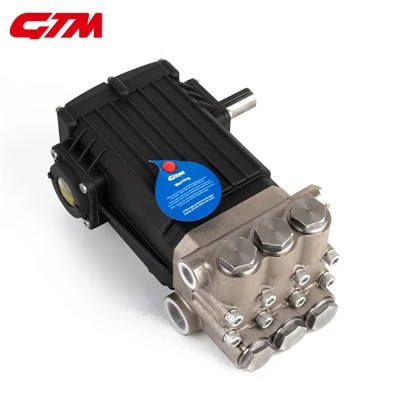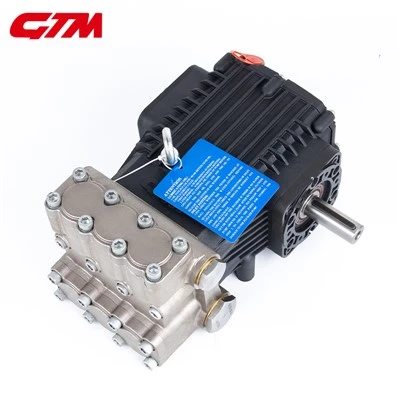

Crankshaft Pump Structure and Working Principle
A crankshaft pump is a hydraulic pump that converts the rotational motion of the camshaft into a change in volume to compress fluid. It consists of six components: input shaft, output shaft, crankshaft, cam, etc. Its working principle is that the cam's movement generates a change in volume, causing the fluid to drive the piston and generate hydraulic pressure.
Plunger Pump Structure and Working Principle
A plunger pump is a hydraulic pump that converts the linear motion of a plunger within a cylinder into fluid pressure. Its structure mainly includes a cylinder block, plunger, connecting rod, camshaft, etc. The working principle of a plunger pump is that the linear reciprocating motion of the plunger within the cylinder compresses the fluid and discharges it through the outlet.
Differences between Crankshaft Pumps and Plunger Pumps
Structural differences: A crankshaft pump compresses fluid based on the rotational motion of the camshaft driving the plunger; a plunger pump compresses fluid based on the linear motion of the plunger.
Specifications differences: Crankshaft pumps are suitable for low-pressure, high-flow systems, while plunger pumps are suitable for high-pressure, low-flow systems.
The volume changes in a crankshaft pump are accomplished by the movement of the cam and the vertical movement of the piston connecting rod; the volume changes in a piston pump are accomplished by the linear reciprocating motion of the piston within the cylinder.