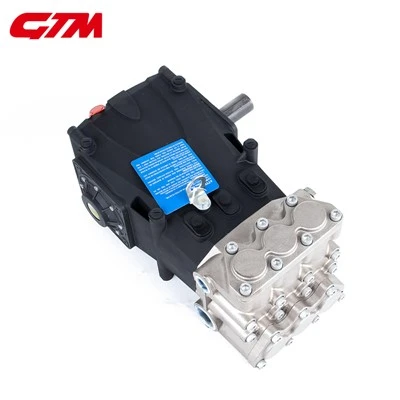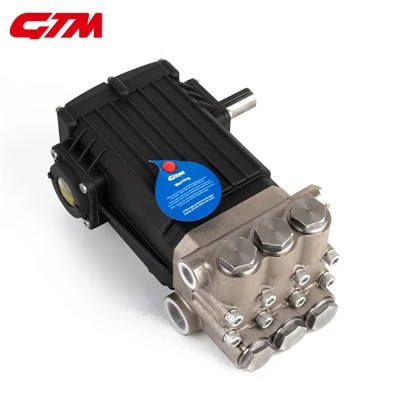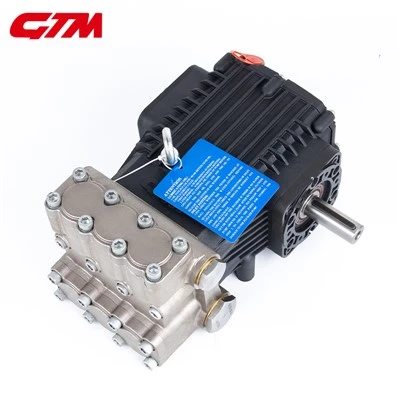

Structure of a Crankshaft Pump
A crankshaft pump mainly consists of a rotor, crankshaft, casing, and end covers. The rotor is the main working component, composed of multiple impeller blades. The rotation of the crankshaft creates a pressure difference between the impeller blades, drawing liquid in from the inlet, compressing it in the pump chamber, and then delivering it to the outlet.
Working Principle of a Crankshaft Pump
The working principle of a crankshaft pump is to utilize the rotating impeller blades to generate and increase the pressure of the oil, thereby achieving liquid transportation. The pumping capacity of a crankshaft pump is affected by various factors, including the external environment and the internal structure of the pump.
Applications of Crankshaft Pumps
Crankshaft pumps are widely used in petroleum, chemical, pharmaceutical, coating, food, medical, and textile industries. Taking high-viscosity petroleum as an example, a crankshaft pump can increase the oil pressure, reduce the oil viscosity, and allow more oil to be transported and distributed during transportation.
Precautions
1. When placing a crankshaft pump, ensure it is at least 0.3 meters above the ground to prevent flooding.
2. The crankshaft pump should be used in a dry, clean environment, free from corrosive gases or harmful substances.
3. It should be cleaned promptly after use and kept dry during transportation and storage to prevent rust and corrosion of the internal components.