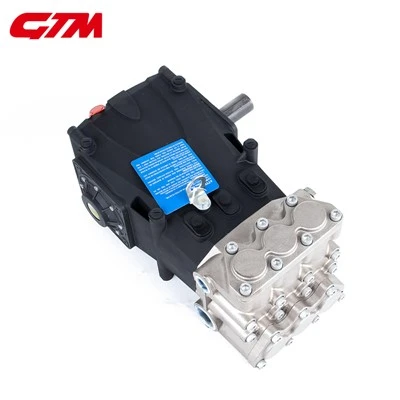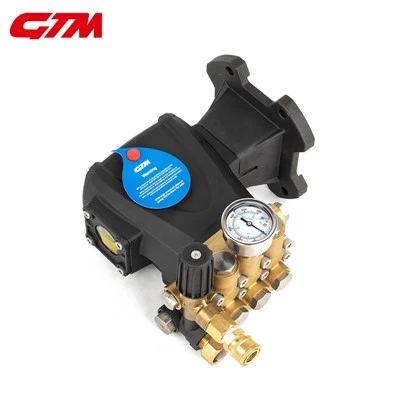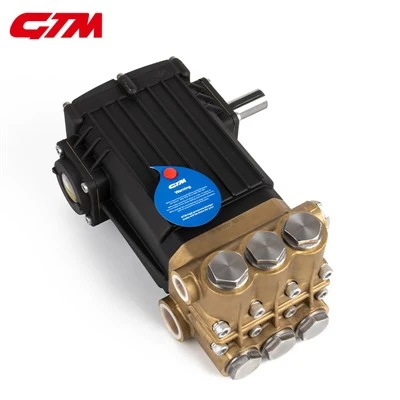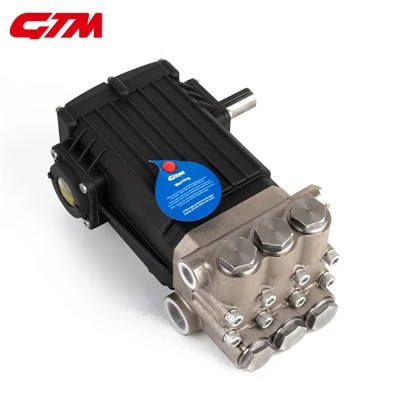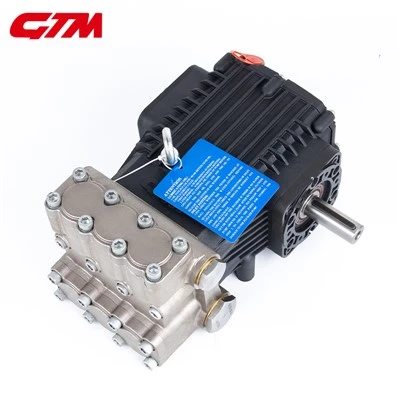

High-pressure plunger pumps are widely used fluid transfer devices in industrial fields. Their core principle is to pressurize and transport liquids through the reciprocating motion of a plunger within a cylinder. This article will detail the product specifications and usage precautions of high-pressure plunger pumps.
Structural Composition
High-pressure plunger pumps mainly consist of a power unit (motor or engine), transmission mechanism, plunger assembly, sealing system, and control valves. The precision of the fit between the plunger and the cylinder directly affects the pump's efficiency and service life.
Working Principle
When the plunger moves backward, a negative pressure is created in the pump chamber, the suction valve opens, and liquid is drawn in. When the plunger moves forward, the liquid is compressed, the pressure increases, the discharge valve opens, and the high-pressure liquid is delivered.
Performance Parameters
Key performance indicators include: rated pressure (typically 20-100 MPa), flow range (0.5-500 L/min), and power requirements. Different pump models exhibit significant differences in these parameters.